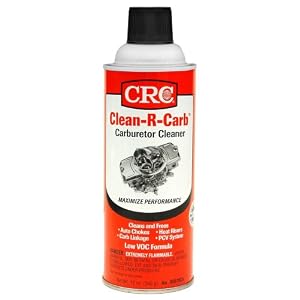
I boil all my carbs in lemon juice. Nothing is better for cleaning carbs. Not even soak type carb cleaners. The lemon juice acid will get any and all crap out of the carb. You must spray with wd-40 or the like after you remove from the juice. Or the carb will oxidide really bad. I will stand behind lemon juice as I do POR15. Works more than great. And only takes about 20 minutes.
From this site.
http://cycles.evanfell.com/2008/09/how-to-clean-a-motorcycle-carburetor-the-right-way/
Cleaning the Carb Bodies
Use the same squirt and wipe method noted above. Most of the time the other pressed jets and passages in the carburetors won’t be clogged. But if the bike has been sitting a real long time with squirrels in the airbox it is certainly possible. Us a compressor to blow some air into every passage you can see. Listen for the air coming out the other side. If no air compressor is available use a can of WD-40 with a straw attachment.
•Carb Dip – Most autoparts stores sell carb dip. It comes in a can similar to a paint can and is a VERY harsh cleaning agent. Soak the entire carbs in this dip. This dip can eat at rubber and plastics if they are submerged for too long, so try and remove everything you can from the carb bodies before soaking them. Once you pull them out swish the carbs around in a bucket of water to clean off the excess dip, then hose them down with WD-40 to get rid of the water.
•Boiling in Water – Not many people do this but it is by far the best way of cleaning carburetors. Dropping the carbs into a pot of boiling water will instantly free up stuck slides, throttle plates, and other frozen parts. It will also loosen the dirt and grime clogging up pressed jets and other passages. Just make sure to dry the carbs thoroughly with compressed air or the sun afterwards.
•Boiling in Lemon Juice – There is NOTHING BETTER at cleaning carbs than a giant pot of boiling lemon juice. The acidity from the lemons eats through everything; gas varnish, oil build up, dirt, grime, etc. Sometimes I won’t even bother doing anything but this – I’ll just remove the bowls, remove the caps, then drop everything into the pot and let it sit for 20 minutes (rotate them a few times). The one caveat to doing this is that you’ll want to wash the lemon juice off the carbs as soon as you pull them out. So have a bucket of water ready, or a can of WD-40 to hose them down. Also note that the acidity has a tendency to put a dull finish on the aluminum bodies of the carbs. This isn’t a problem in most cases, but if you must have everything shiny be prepared to do a little scrubbing and polishing afterwards. It may sound weird, but trust me, I just saved you LOTS of time. (Most dollar stores sell 1/2 gallon jugs of lemon juice, so buying a few gallons will only cost you $6. Plus you can put it back into the bottles afterwards and save it for next time.)
---------------------------------------------------------------------------
If you can’t see through the jet it is clogged and needs to be cleaned. Always try the easiest things first. Here’s an ordered list of a few things you can do to clean the jet.
•Blow through it. – Rarely works, but hey, who knows.
•Compressed air. – Force 100 pounds into it. Works occassionally. Make sure to hold the jet tightly so it doesn’t go flying across the garage. You might put the jet back into the carb body to hold it in place for this.
•Soak it in cleaner. – When I first started cleaning carbs I thought carb cleaner would be the magic answer. It isn’t. In fact, I hardly ever use carb cleaner any more, because it simply doesn’t do a very good job of anything but removing varnish from the bowl and slide. But try this.
•Poking it through. – Collect a few different diameters of needle like objects. A wire from a steel bristle brush works well, a bristle from a broom works well, a baby pin, small sewing needle, etc. Very gently try to poke it through the jet. If you are using a metal needle use caution, brass jets can scratch and deform easily.
•Boiling! – This works better than anything. Toss the jets into a pot of boiling water and let them bounce around for a couple minutes. When you pull them out blow some compressed air through them and you’ll most likely be good to go.
Some idle jets can be real tricky and never seem like they’ll be cleaned out . . . Just keep working at it, I’ve never met a jet that couldn’t be cleaned.