
-
OFF TOPIC fun forum - NO politics - NO religion - NO jerks. It's not complicated. Thanks!
You are using an out of date browser. It may not display this or other websites correctly.
You should upgrade or use an alternative browser.
You should upgrade or use an alternative browser.
dumb stupid horsepower question
- Thread starter ӍДҬӍДҊ⑤⑤
- Start date
- Status
- Not open for further replies.


Doc Sprocket
*********
How exactly do you calculate horsepower? What is it you're trying to work out, and why? What are your variables?

devino246
Official DIYGK Chem Nerd
it'll depend on what you're measuring.
Mechanical horsepower
hp(I) ≡ 33,000 ft-lbf/min
= 550 ft·lbf/s
= 745.699872 W
Metric horsepower
hp(M) ≡ 75 kgf·m/s
≡ 735.49875 W
Electrical horsepower
hp(E) ≡ 746 W
Mechanical horsepower
hp(I) ≡ 33,000 ft-lbf/min
= 550 ft·lbf/s
= 745.699872 W
Metric horsepower
hp(M) ≡ 75 kgf·m/s
≡ 735.49875 W
Electrical horsepower
hp(E) ≡ 746 W
Doc Sprocket
*********
Sure enough. But to calculate horsepower? For a gas engine? Can it even be done? I wouldn't know where to begin...
...other than on a dynamometer...
...other than on a dynamometer...
Engine Type \ Air-Cooled, 2-Cycle Stroke 1.25 in. (31.75 mm.)Sure enough. But to calculate horsepower? For a gas engine? Can it even be done? I wouldn't know where to begin...
...other than on a dynamometer...
Displacement 1.9 cu in. (31 cc.)
Clutch Type Centrifugal
Operating RPM 7,000-8,300 rpm
Idle Speed RPM 2,800-3,300 rpm
Ignition Type Electronic
Ignition Switch Toggle Switch
Spark Plug Gap 0.020 in. (0.5 mm.)
Lubrication Fuel/Oil Mixture
Fuel/Oil Ratio 32:1
Carburetor Diaphragm, All-Position
Starter Auto Rewind
Muffler Baffled with Guard
Throttle Manual Spring Return
and what your sayin is that there is no way to calculate horspower?
Doc Sprocket
*********
Devino may have a magic formula up his sleeve, but I am prepared to say "No". Not that I have ever been aware of.
That being said, if you know the brand and approximate year, you should be able to Google a spec sheet.
Weedeater?
That being said, if you know the brand and approximate year, you should be able to Google a spec sheet.
Weedeater?
devino246
Official DIYGK Chem Nerd
There is an equation, and lumping everything together, you can simplify it to:
RPM x Torque(Ft.Lbs.) = HP
You need the RPM at which maximum torque is produced, though, and those specs you have are just max RPM and max torque.
So for your application, you can't calculate it.
Google the equation: http://www.google.com/search?aq=f&s...id=chrome&ie=UTF-8&q=HP+=+RPM+x+TORQUE+÷+5252
RPM x Torque(Ft.Lbs.) = HP
You need the RPM at which maximum torque is produced, though, and those specs you have are just max RPM and max torque.
So for your application, you can't calculate it.
Google the equation: http://www.google.com/search?aq=f&s...id=chrome&ie=UTF-8&q=HP+=+RPM+x+TORQUE+÷+5252
Doc Sprocket
*********
Okay- so as I understand things-
The three key variables are peak torque, the RPM at which that occurs, and the HP (at that same peak)? I would think you can probably calculate to find one of those missing factors as long as you know the other two, right?
So for the purpose of this debate- I AM correct in thinking that without a means of measurement (ie dynamometer) there's no chance a calculator's gonna spit out a reliable number for any given engine. No?
EDIT- Come to think of it- I know from reading various engine's HP and Torque curves, they tend not to peak anywhere near the same RPM...
The three key variables are peak torque, the RPM at which that occurs, and the HP (at that same peak)? I would think you can probably calculate to find one of those missing factors as long as you know the other two, right?
So for the purpose of this debate- I AM correct in thinking that without a means of measurement (ie dynamometer) there's no chance a calculator's gonna spit out a reliable number for any given engine. No?
EDIT- Come to think of it- I know from reading various engine's HP and Torque curves, they tend not to peak anywhere near the same RPM...
devino246
Official DIYGK Chem Nerd
Okay- so as I understand things-
The three key variables are peak torque, the RPM at which that occurs, and the HP (at that same peak)? I would think you can probably calculate to find one of those missing factors as long as you know the other two, right?
So for the purpose of this debate- I AM correct in thinking that without a means of measurement (ie dynamometer) there's no chance a calculator's gonna spit out a reliable number for any given engine. No?
EDIT- Come to think of it- I know from reading various engine's HP and Torque curves, they tend not to peak anywhere near the same RPM...
Ever seen an engine that says something like "160hp @ 2500rpm"?
160x5252 = 840320/2500 = 336.128.
So an engine producing 336.128 ft.lbs. of torque at 2,500rpm is yielding 160hp.
You need a torque measurement and the RPM at which the measurement was taken to calculate HP.
Doc Sprocket
*********
You need a torque measurement and the RPM at which the measurement was taken to calculate HP.
This is assuming peak torque, right? If that's the case, the result will the the HP @ peak torque RPM, right? (and not peak hp)I know that peak HP tends to occur well above peak torque. Our industrial engines for example, tend to show peak torque around 2500, yet peak HP shows at 3600 (assuming governor). Looking at a typical RPM/torque curve for these engines, the HP graph is still climbing at 3600, indicating the potential peak at a higher RPM still. Thoughts?
devino246
Official DIYGK Chem Nerd
This is assuming peak torque, right? If that's the case, the result will the the HP @ peak torque RPM, right? (and not peak hp)I know that peak HP tends to occur well above peak torque. Our industrial engines for example, tend to show peak torque around 2500, yet peak HP shows at 3600 (assuming governor). Looking at a typical RPM/torque curve for these engines, the HP graph is still climbing at 3600, indicating the potential peak at a higher RPM still. Thoughts?
Sounds like you got it about right.

ӍДҬӍДҊ⑤⑤;207908 said:man,i never thought finding out horsepower was sooooooooooooooooooooo complicated,or even imposible...
It's really not that complicated, you just have to apply your self. You'll never do anything useful if you don't learn and embrace learning.

Matman55, why have you changed your profile? Just wondering

Jake.B
New member
Honestly i think Your best bet would be to call the maker and ask. If you have an F in math your better off giving variables and having somone else figure it out or call the maker. I would seriously adress that F, it will help in the longrun.

Orange Krate
Active member
To "calulate" horsepower without run/test data requires the use of Calculus on the Otto Cycle. Yeah, it's complicated.
But, there's hope for your math skills. Start with easier calculations (like gearing) and build up from there. The key to understanding math for gearheads like us is making yourself interested in what you are claculating, then testing it in the shop to see how close you came.
I went from dropping math courses to an A in Calculus because a machinist taught me how I could "use" math. That made all the difference.
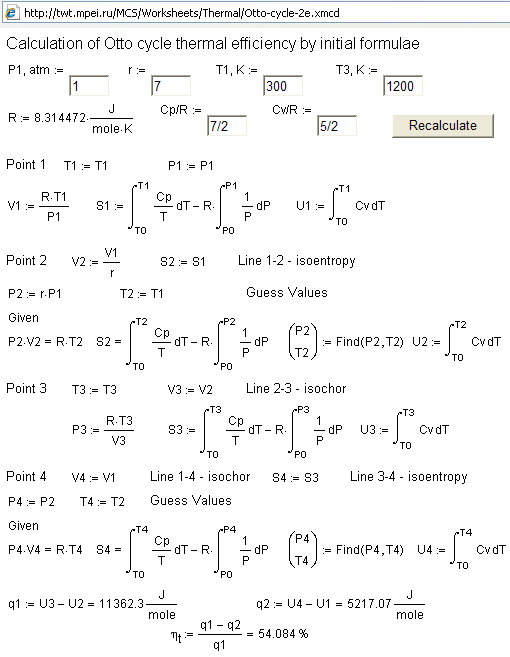
But, there's hope for your math skills. Start with easier calculations (like gearing) and build up from there. The key to understanding math for gearheads like us is making yourself interested in what you are claculating, then testing it in the shop to see how close you came.
I went from dropping math courses to an A in Calculus because a machinist taught me how I could "use" math. That made all the difference.
Orange Krate
Active member
I haven't forgot about you, just got real busy! I'll try and work up some good and practical math applications specific to go-karts, gearing, etc.
This might make a good "sticky" later...stay tuned!
This might make a good "sticky" later...stay tuned!
I haven't forgot about you, just got real busy! I'll try and work up some good and practical math applications specific to go-karts, gearing, etc.
This might make a good "sticky" later...stay tuned!
Alright!! now its a party
- Status
- Not open for further replies.