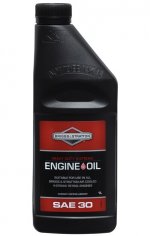
The first number, such as the “5” in 5W-30, indicates how the oil flows in cold temperatures (the “W” stands for winter). A lower number means thinner oil, which circulates faster during cold starts, making 5W-30 better for cold climates compared to 10W-30
The second number, like the “30” in both 5W-30 and 10W-30, represents the oil’s viscosity at high temperatures (tested at 212 F). At this temperature, thicker oil like 30-weight oil clings to and protects engine parts better when the engine is hot and operating under stress.
View attachment 152095
Get a compression gauge and end the guesswork. It will not tell you where the compression leak is, but just that it exists. The smoke could also be bad valve guides letting oil into the combustion chamber or worn piston rings, etc.
Checking your head gasket is an easy thing. If it's bad you can usually see a gap and/or discoloration where the "blown" area is.
I strictly follow Briggs' recommendations for the 130200 series (your engine) in terms of torque settings and the tightening sequence for reinstalling the cylinder head.
If you want a link to the Briggs L-head manual, let me know.


 here, me included you know, but the Briggs Raptor can make up to 20 horsepower on methanol and some massaging. Still can't hold a candle to OHV engines or my archaic Honda 185.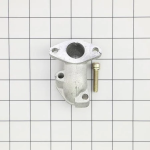
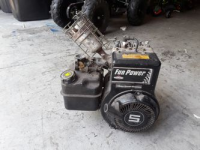
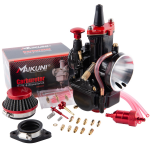
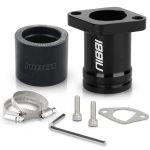
 He's right. I used to use multigrade oils in my air-cooled engines but that oil (5W, 10W etc), true to the manufacturer's advice, caused an increase in oil consumption, some smoking and it even leaked more past the (already worn) crank seals. I use SAE 30 single viscosity oil now but if I had none, I would still use a multigrade oil in a pinch because I have it on the garage shelf.